




Bats?
Swallows, swifts, and bats have adapted to city life and use buildings as breeding sites. Did you know that these species are protected, just like their breeding sites?
Since the presence of these species is often unknown, breeding sites sometimes disappear as a result of work on building facades or roofs.
How can you identify a bat?
The most common bat in urban areas is the common pipistrelle.
Female bats live in colonies of several dozen bats to raise their young during the summer.
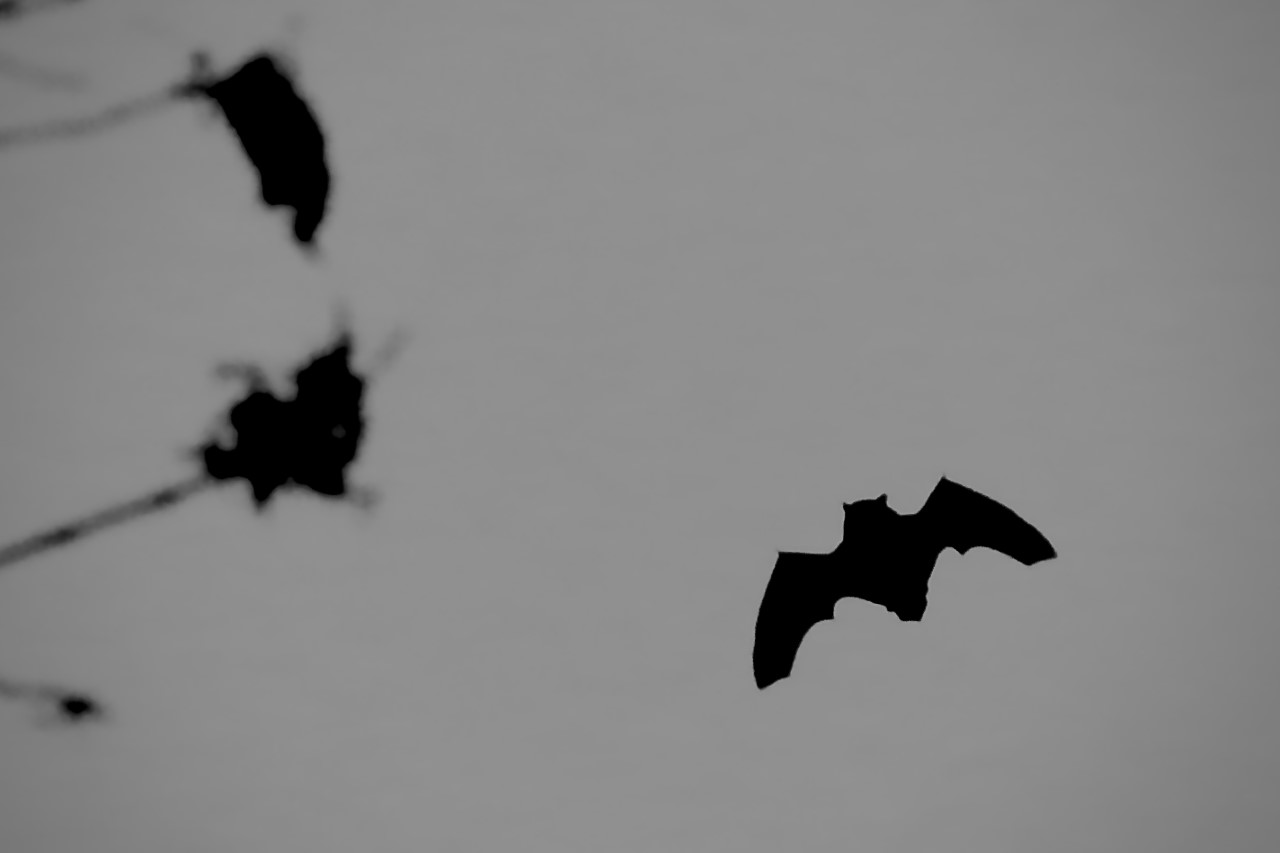
Common pipistrelle © Marc Bastardot
They live in warm places sheltered from drafts, such as awning boxes, under roof tiles, under the parapet of a flat roof, in siding, or on the chimney. Males, which are solitary, prefer the back of a shutter or a crack under the roof.
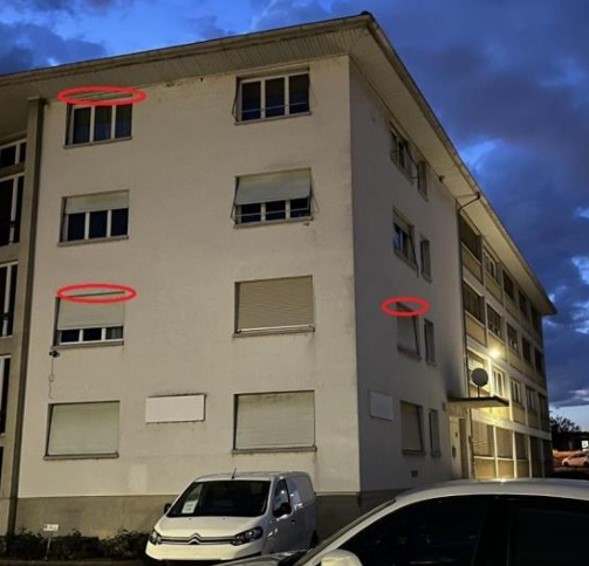
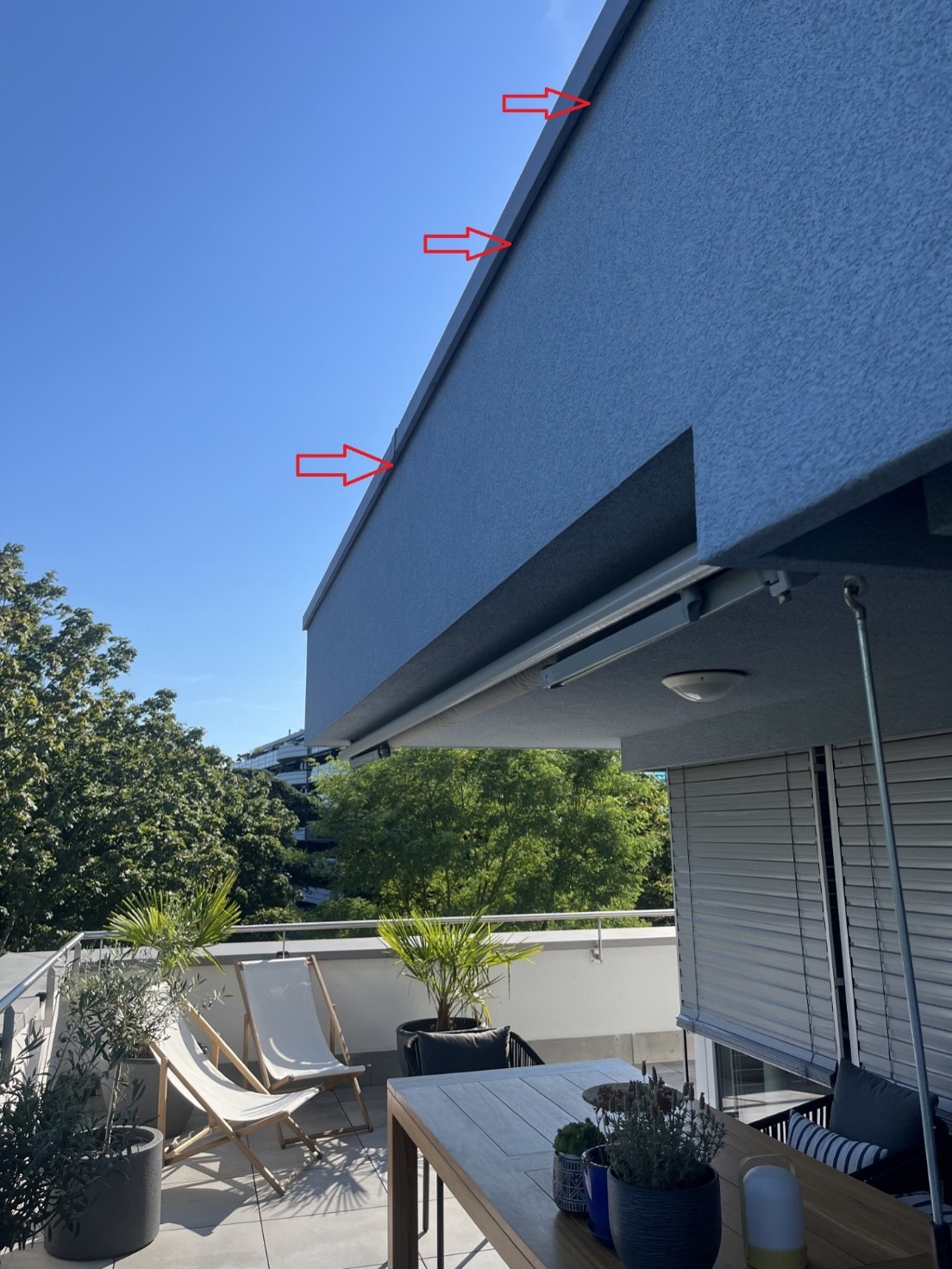
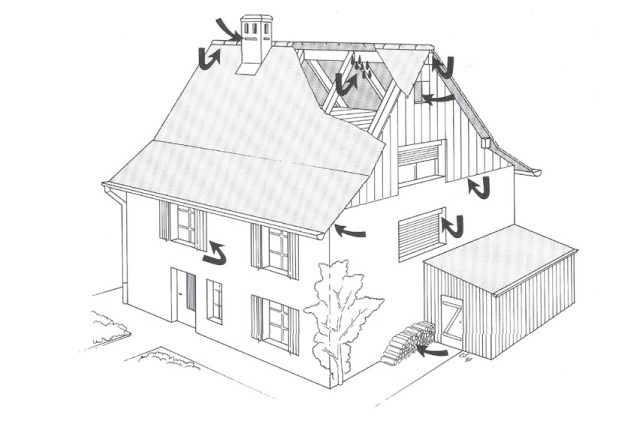
Bat roosts in buildings © Marc Bastardot Fact Sheet H4 - Bats and Buildings - DGE-BIODIV, 2025.
Bats do not gnaw on building structures and do not bring any material into them. You can spot them as they fly off to hunt at dusk or by the presence of small, crumbly, shiny droppings (the remains of insects) on the ground or on a windowsill.
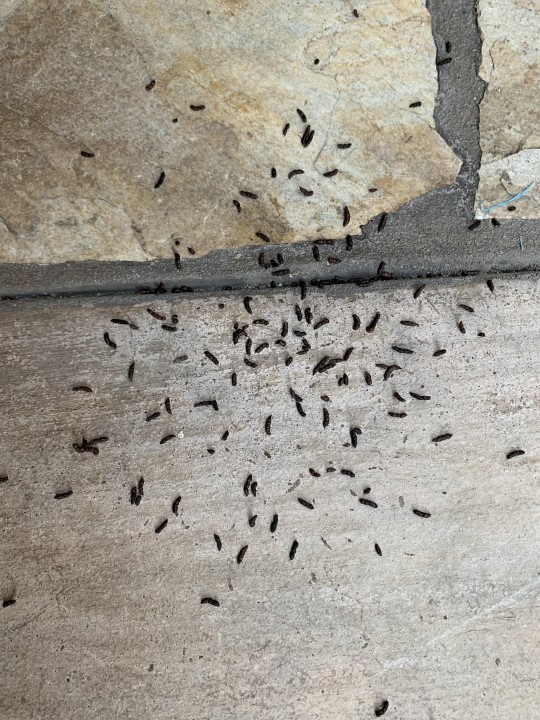
Bat droppings © Marc Bastardot
More information on bat species and families in Switzerland.
Share