




Martinet?
Swallows, swifts, and bats have adapted to city life and use buildings as breeding sites. Did you know that these species are protected, just like their breeding sites?
Since the presence of these species is often unknown, breeding sites sometimes disappear as a result of work on building facades or roofs.
How can you identify a swift?
Swifts have long, sickle-shaped wings and fly rapidly. Their natural nests are hidden inside buildings, and the entrance holes are often difficult to spot.
In Swiss towns and villages, the common swift is the most frequently encountered species, and in some cities, such as Lausanne, the white-bellied swift can also be found.
The Common Swift
A tireless traveler, recognizable by:
- its brown-black plumage
- its long, tapered wings
- its notched tail
It lives mainly in urban areas. The nesting period is, in fact, the only time it lands; the rest of the time it remains in flight, even when it sleeps!
It nests in cavities and other small, dark, not-too-large nooks, such as under roof tiles or behind gutters. It also settles in artificial nest boxes that resemble shoe boxes, either recessed into or mounted on the building’s facade, often under the eaves.
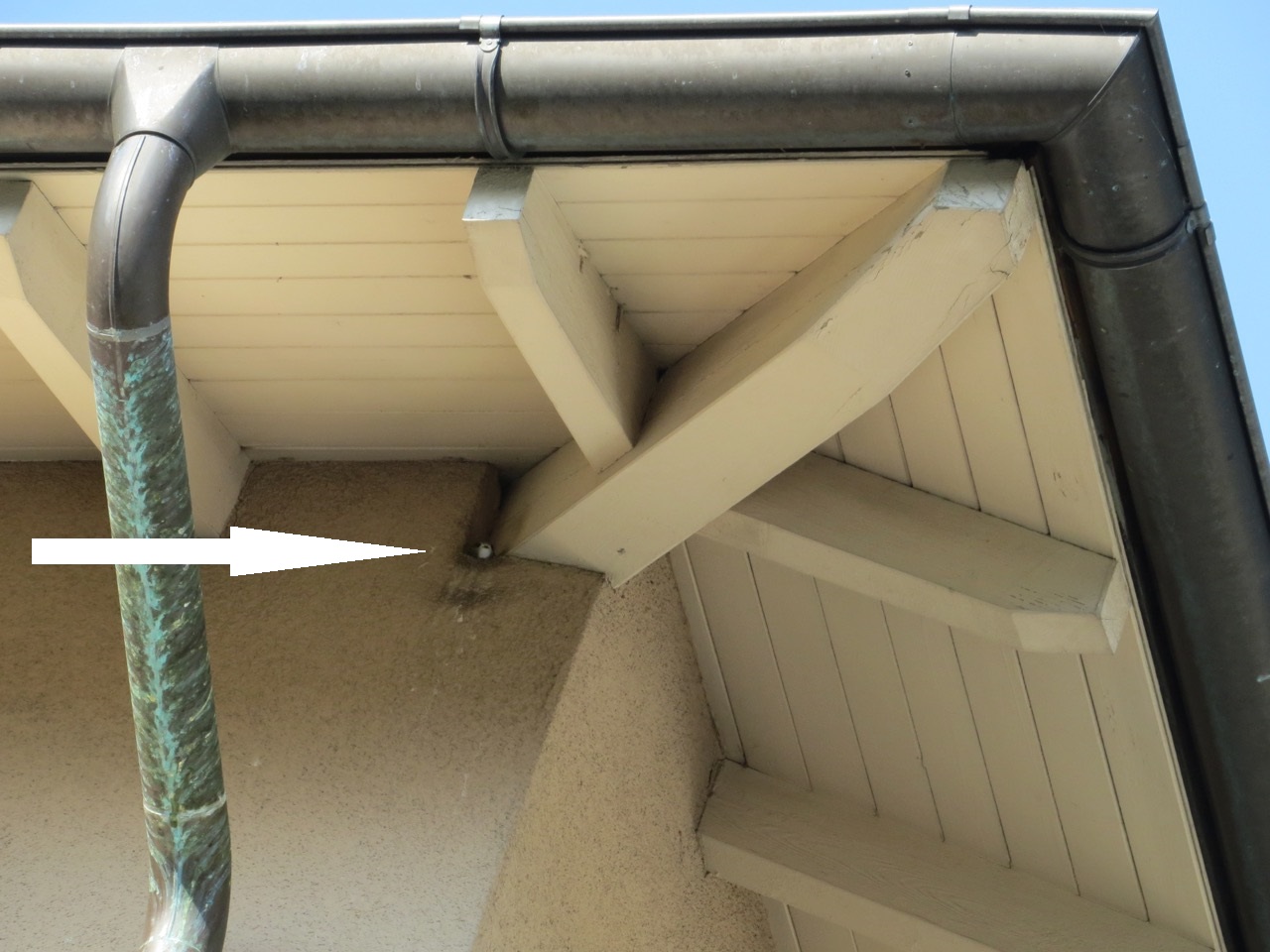
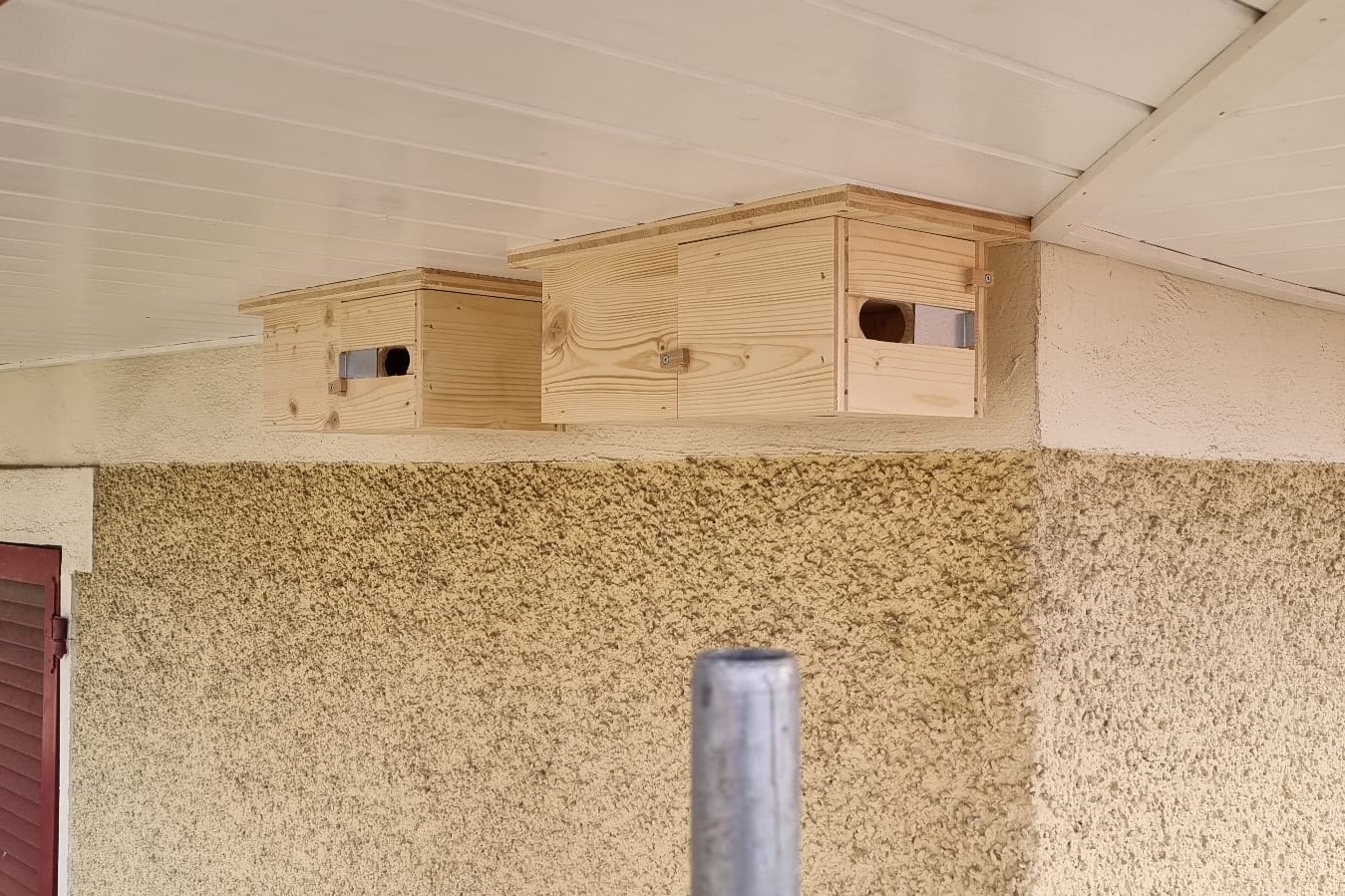
A cavity occupied by a common swift in a building © Bertrand Posse - common swift nesting boxes under an eave
More information about the species, its call, and its distribution is available here: Common Swift
The White-bellied Swift
This great acrobat of the skies is recognizable by:
- its upper parts and its brown tail
- her white belly
- its size is significantly larger than that of the common swift
It can be observed from mid-May through August in downtown Lausanne or in Payerne, the only two cities in French-speaking Switzerland where it nests. Like the common swift, the white-bellied swift nests in cavities and narrow crevices in buildings.
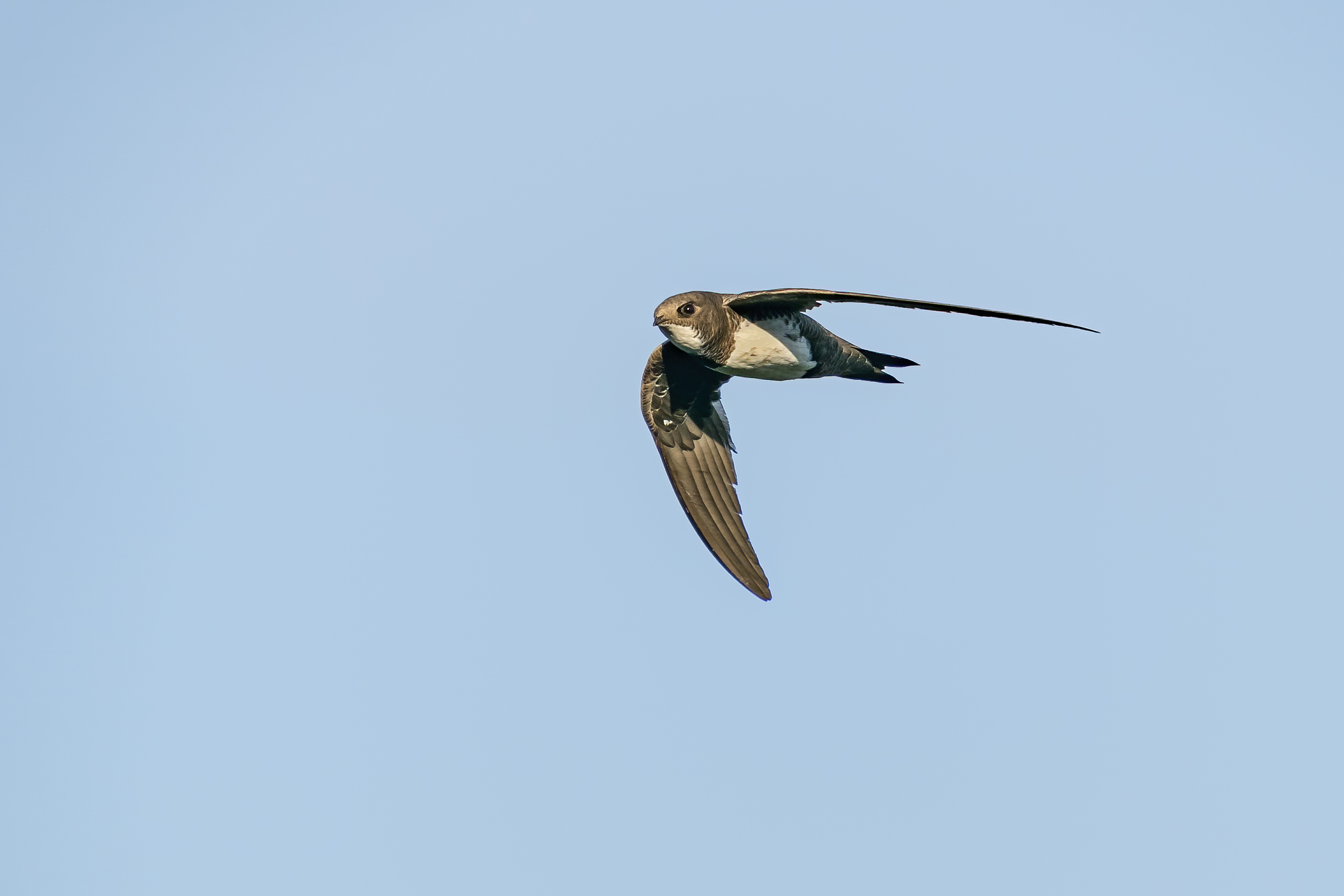
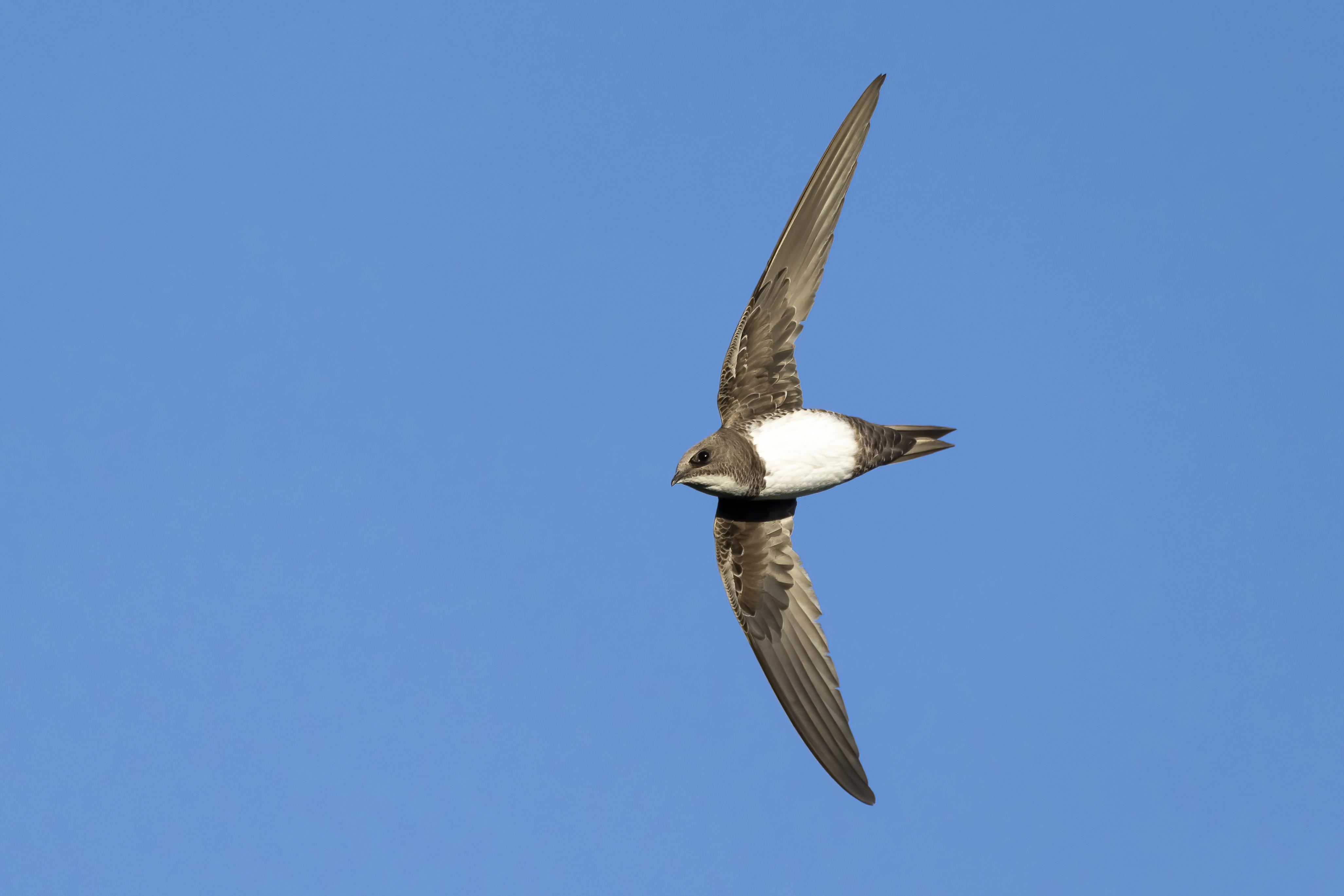
White-bellied Swift © Marcel Burkhardt
More information about the species, its call, and its range is available here: White-bellied Swift
Share