The piece of text below is a shortened, hashed representation of this content. It is useful to ensure the content has not been tampered with, as a single modification would result in a totally different value.
Value:
235a5703e1cb1cfee79d18d599c16e0f31147dcad1361ecc0d32c10ef6ffae0d
Source:
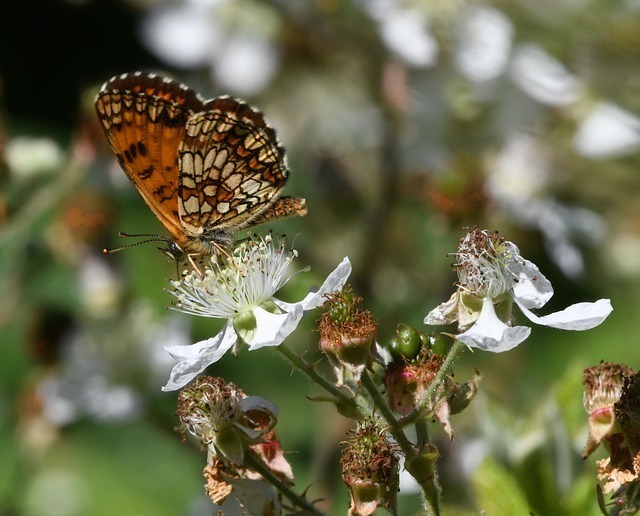
{"body":{"fr":"<p><strong>1. Contexte : </strong></p><p>Les ronces sont des havres de biodiversité. Elles servent de refuge pour les hérissons, muscardins et autre petite faune. Les abeilles, bourdons, papillons et autres insectes se délectent du pollen et du nectar des fleurs. Les chenilles de plus de 50 espèces de papillons se nourrissent des feuilles. De nombreux oiseaux nichent dans le réseau épineux des tiges, à l’abri des chats et autres prédateurs.</p><p>Et pourtant, les ronces sont arrachées, empoisonnées et brûlées dans les jardins et parcs publics.</p><p>--------------------</p><p><strong>2. Proposition </strong>:</p><p>Il faudrait planter et laisser pousser des ronces le long des parcs, promenades, chemins, talus et cours d'eau, dans les quartiers, les zones d'activité et les friches. Des panneaux explicatifs pourraient être mises en place pour expliquer l'utilité des ronces et pour encourager les propriétaires privés à leur refaire une place dans les jardins.</p><p>--------------------</p><p><strong>3. Motivation </strong>:</p><p>Ce serait un moyen simple et bon marché pour promouvoir la nature en ville.</p>","machine_translations":{"bs":"<p><strong>1. Kontekst: </strong></p><p>Trnoviti grmovi su utočišta bioraznolikosti. Pružaju utočište ježevima, vjevericama i drugom sitnom divljem životinjama. Pčele, bubamare, leptiri i drugi insekti hrane se polenom i nektarom cvijeća. Gusjenice više od 50 vrsta leptira hrane se lišćem. Mnoge ptice gnijezde se u bodljikavom zapetljanju izdanaka, zaštićene od mačaka i drugih predatora.</p><p>Ipak, bršljan se čupa, prska herbicidom i spaljuje u vrtovima i javnim parkovima.</p><p>--------------------</p><p><strong>2. Prijedlog</strong>:</p><p>Trnje bi trebalo saditi i puštati da raste duž rubova parkova, šetališta, staza, nasipa i korita voda, kao i u naseljima, komercijalnim područjima i na brownfield lokacijama. Mogli bi se postaviti informativni paneli kako bi se objasnile prednosti trnjina i potaknuli privatni vlasnici zemljišta da im ponovo naprave mjesta u svojim vrtovima.</p><p>--------------------</p><p><strong>3. Obrazloženje</strong>:</p><p>Ovo bi bio jednostavan i isplativ način za promociju prirode u gradu.</p>","de":"<p><strong>1. Hintergrund: </strong></p><p>Brombeersträucher sind Oasen der Artenvielfalt. Sie dienen als Rückzugsort für Igel, Haselmäuse und andere kleine Wildtiere. Bienen, Hummeln, Schmetterlinge und andere Insekten genießen den Pollen und Nektar der Blüten. Die Raupen von mehr als 50 Schmetterlingsarten ernähren sich von den Blättern. Zahlreiche Vögel nisten im dornigen Geflecht der Stängel, geschützt vor Katzen und anderen Raubtieren.</p><p>Und doch werden die Brombeeren in öffentlichen Gärten und Parks ausgerissen, vergiftet und verbrannt.</p><p>--------------------</p><p><strong>2. Vorschlag</strong>:</p><p>Man sollte Brombeersträucher entlang von Parks, Promenaden, Wegen, Böschungen und Wasserläufen sowie in Stadtvierteln, Gewerbegebieten und auf Brachflächen pflanzen und wachsen lassen. Es könnten Informationstafeln aufgestellt werden, um den Nutzen von Brombeeren zu erklären und private Grundstückseigentümer dazu zu ermutigen, ihnen wieder einen Platz in ihren Gärten einzuräumen.</p><p>--------------------</p><p><strong>3. Begründung</strong>:</p><p>Das wäre eine einfache und kostengünstige Möglichkeit, die Natur in der Stadt zu fördern.</p>","en":"<p><strong>1. Context: </strong></p><p>Brambles are havens of biodiversity. They serve as refuges for hedgehogs, dormice, and other small wildlife. Bees, bumblebees, butterflies, and other insects feast on the pollen and nectar of the flowers. Caterpillars from more than 50 species of butterflies feed on the leaves. Many birds nest in the thorny network of stems, sheltered from cats and other predators.</p><p>And yet, brambles are pulled up, sprayed with herbicide, and burned in public gardens and parks.</p><p>--------------------</p><p><strong>2. Proposal</strong>:</p><p>Brambles should be planted and allowed to grow along parks, promenades, paths, embankments, and waterways, as well as in neighborhoods, commercial areas, and brownfield sites. Informational signs could be installed to explain the benefits of brambles and to encourage private property owners to make room for them in their gardens again.</p><p>--------------------</p><p><strong>3. Motivation</strong>:</p><p>This would be a simple and inexpensive way to promote nature in the city.</p>","es":"<p><strong>1. Contexto: </strong></p><p>Las zarzas son refugios de biodiversidad. Sirven de refugio para erizos, muscardines y otros pequeños animales. Las abejas, los abejorros, las mariposas y otros insectos se deleitan con el polen y el néctar de las flores. Las orugas de más de 50 especies de mariposas se alimentan de las hojas. Numerosas aves anidan en la red espinosa de los tallos, a salvo de los gatos y otros depredadores.</p><p>Y, sin embargo, las zarzas se arrancan, se rocían con herbicida y se queman en los jardines y parques públicos.</p><p>--------------------</p><p><strong>2. Propuesta</strong>:</p><p>Habría que plantar y dejar crecer zarzas a lo largo de los parques, paseos, caminos, taludes y cursos de agua, en los barrios, las zonas de actividad y los terrenos baldíos. Se podrían instalar paneles informativos para explicar la utilidad de las zarzas y animar a los propietarios privados a volver a darles cabida en sus jardines.</p><p>--------------------</p><p><strong>3. Motivación</strong>:</p><p>Sería una forma sencilla y económica de promover la naturaleza en la ciudad.</p>","hr":"<p><strong>1. Uvod: </strong></p><p>Trnoviti grmlje su utočišta bioraznolikosti. Pružaju utočište ježevima, vjevericama i drugom sitnom divljem životinjstvu. Pčele, bubamare, leptiri i drugi kukci hrane se peludom i nektarom cvijeća. Gusjenice više od 50 vrsta leptira hrane se lišćem. Mnoge ptice gnijezde se u bodljikavom zapletu izdanaka, zaštićene od mačaka i drugih grabežljivaca.</p><p>Ipak, bršljan se čupa, prska herbicidom i spaljuje u vrtovima i javnim parkovima.</p><p>--------------------</p><p><strong>2. Prijedlog</strong>:</p><p>Trnje bi se trebalo saditi i pustiti da raste uz rubove parkova, šetnica, staza, nasipa i korita vodotoka, kao i u susjedstvima, poslovnim zonama i zapuštenim mjestima. Mogli bi se postaviti informativni paneli kako bi se objasnile prednosti trnjine i potaknuli privatni vlasnici zemljišta da je ponovno posade u svojim vrtovima.</p><p>--------------------</p><p><strong>3. Motivacija</strong>:</p><p>To bi bio jednostavan i isplativ način za promicanje prirode u gradu.</p>","it":"<p><strong>1. Contesto: </strong></p><p>I rovi sono oasi di biodiversità. Fungono da rifugio per ricci, topi muschiati e altra piccola fauna. Api, bombi, farfalle e altri insetti si nutrono del polline e del nettare dei fiori. I bruchi di oltre 50 specie di farfalle si nutrono delle foglie. Numerosi uccelli nidificano nella rete spinosa dei rami, al riparo da gatti e altri predatori.</p><p>Eppure, nei giardini e nei parchi pubblici i rovi vengono sradicati, trattati con veleni e bruciati.</p><p>--------------------</p><p><strong>2. Proposta</strong>:</p><p>Sarebbe opportuno piantare e lasciare crescere i rovi lungo i parchi, le passeggiate, i sentieri, i pendii e i corsi d’acqua, nei quartieri, nelle zone industriali e nelle aree incolte. Si potrebbero installare cartelli informativi per spiegare l’utilità dei rovi e per incoraggiare i proprietari privati a ritagliare loro uno spazio nei giardini.</p><p>--------------------</p><p><strong>3. Motivazione</strong>:</p><p>Sarebbe un modo semplice ed economico per promuovere la natura in città.</p>","pt":"<p><strong>1. Contexto: </strong></p><p>Os matagais são refúgios de biodiversidade. Servem de abrigo para ouriços, muscardins e outros pequenos animais. As abelhas, os zangões, as borboletas e outros insetos deleitam-se com o pólen e o néctar das flores. As lagartas de mais de 50 espécies de borboletas alimentam-se das folhas. Muitos pássaros nidificam na rede espinhosa dos caules, a abrigo de gatos e outros predadores.</p><p>No entanto, as silvas são arrancadas, tratadas com pesticidas e queimadas nos jardins e parques públicos.</p><p>--------------------</p><p><strong>2. Proposta</strong>:</p><p>Deveriam ser plantadas e deixadas crescer silvas ao longo dos parques, passeios, caminhos, taludes e cursos de água, nos bairros, nas zonas de atividade e nos terrenos baldios. Poderiam ser colocados painéis informativos para explicar a utilidade das silvas e para incentivar os proprietários privados a dar-lhes novamente espaço nos seus jardins.</p><p>--------------------</p><p><strong>3. Motivação</strong>:</p><p>Seria uma forma simples e económica de promover a natureza na cidade.</p>","ru":"<p><strong>1. Контекст: </strong></p><p>Кустарники — это оазисы биоразнообразия. Они служат убежищем для ежей, бурундуков и других мелких животных. Пчелы, шмели, бабочки и другие насекомые лакомятся пыльцой и нектаром цветов. Гусеницы более 50 видов бабочек питаются листьями. Многие птицы гнездятся в колючей паутине стеблей, укрываясь от кошек и других хищников.</p><p>И тем не менее, в садах и общественных парках кусты ежевики вырывают, обрабатывают ядом и сжигают.</p><p>--------------------</p><p><strong>2. Предложение</strong>:</p><p>Следует высаживать и давать расти ежевике вдоль парков, прогулочных зон, тропинок, откосов и водотоков, в жилых кварталах, зонах промышленной деятельности и на заброшенных участках. Можно установить информационные таблички, объясняющие пользу ежевики и призывающие частных владельцев вновь найти для неё место в своих садах.</p><p>--------------------</p><p><strong>3. Обоснование</strong>:</p><p>Это был бы простой и недорогой способ популяризации природы в городе.</p>","sq":"<p><strong>1. Konteksti: </strong></p><p>Gurthët janë strehë për biodiversitetin. Ato ofrojnë strehë për gjembuca, lemurë dhe kafshë të tjera të egra të vogla. Bletët, bumbët, fluturat dhe insektet e tjera ushqehen me polenin dhe nektarin e luleve. Krimbat e më shumë se 50 llojeve fluturash ushqehen me gjethet. Shumë zogj ndërtojnë fole në rrëmujën gjembore të degëve, të mbrojtur nga macet dhe grabitqarët e tjerë.</p><p>Megjithatë, ferrat hidhen, spërkatën me herbicid dhe digjen në kopshte dhe parqe publike.</p><p>--------------------</p><p><strong>2. Propozim</strong>:</p><p>Gjembat duhet të mbillen dhe t'u lejohet të rriten përgjatë skajeve të parqeve, shëtitoreve, shtigjeve, argjinave dhe rrjedhave të ujit, si dhe në lagje, zona tregtare dhe toka të braktisura. Mund të vendosen tabela informuese për të shpjeguar përfitimet e manaferrave dhe për të inkurajuar pronarët privatë të tokës që t'u bëjnë vend përsëri në kopshtet e tyre.</p><p>--------------------</p><p><strong>3. Arsyetimi</strong>:</p><p>Kjo do të ishte një mënyrë e thjeshtë dhe me kosto efektive për të promovuar natyrën në qytet.</p>","sr":"<p><strong>1. Контекст: </strong></p><p>Грмови бодликавог шипка су уточишта биодиверзитета. Они пружају уточиште јежњима, полјским мишевима и другом ситном дивљем животињском свету. Пчеле, оса, лептири и други инсекти хране се поленom и нектаром са цветова. Гусенице више од 50 врста лептира хране се листовима. Многе птице праве гнезда у бодљавој мрежи стабљика, заштићене од мачака и других предатора.</p><p>А ипак, шибљик се искорењује, прска хербицидом и спаљује у вртовима и јавним парковима.</p><p>--------------------</p><p><strong>2. Предлог</strong>:</p><p>Трње треба засадити и дозволити му да расте дуж ивица паркова, шеталишта, стаза, насипа и водотокова, као и у насељима, пословним зонама и на браунфилд локацијама. Могу се поставити информативне табле како би се објасниле предности шипка и охрабрили приватни власници да их поново посаде у својим вртовима.</p><p>--------------------</p><p><strong>3. Мотивација</strong>:</p><p>Ово би био једноставан и економичан начин за промоцију природе у граду.</p>","uk":"<p><strong>1. Контекст: </strong></p><p>Кущі терну — це оазиси біорізноманіття. Вони слугують притулком для їжаків, мускусних мишей та інших дрібних тварин. Бджоли, джмелі, метелики та інші комахи ласують пилком і нектаром квітів. Гусениці понад 50 видів метеликів харчуються листям. Численні птахи гніздяться в колючому сплетінні стебел, у безпеці від котів та інших хижаків.</p><p>І все ж терни виривають, обробляють отрутою та спалюють у садах і громадських парках.</p><p>--------------------</p><p><strong>2. Пропозиція</strong>:</p><p>Слід висаджувати та залишати рости ожину вздовж парків, прогулянкових доріжок, стежок, схилів та водойм, у житлових кварталах, зонах ділової активності та на пустирях. Можна встановити інформаційні таблички, щоб пояснити користь ожини та заохотити приватних власників знову надати їй місце у своїх садах.</p><p>--------------------</p><p><strong>3. Мотивація</strong>:</p><p>Це був би простий і недорогий спосіб популяризації природи в місті.</p>"}},"title":{"fr":"Des ronces pour la biodiversité","machine_translations":{"bs":"Brambles for biodiversity","de":"Brombeeren für die Artenvielfalt","en":"Brambles for Biodiversity","es":"Zarzos para la biodiversidad","hr":"Brčine za bioraznolikost","it":"Rovi per la biodiversità","pt":"Ramos de espinheiro para a biodiversidade","ru":"Кустарники на благо биоразнообразия","sq":"Gurtharë për biodiversitetin","sr":"Плетеви за биолошку разноликост","uk":"Терни на користь біорізноманіття"}}}
This fingerprint is calculated using a SHA256 hashing algorithm. In order to replicate it yourself, you can use an MD5 calculator online and copy-paste the source data.





Share