The piece of text below is a shortened, hashed representation of this content. It is useful to ensure the content has not been tampered with, as a single modification would result in a totally different value.
Value:
d789506a9b1e22e33a76868bc13ff5b48f97318f816baf6ebed4036c80e3d1b8
Source:
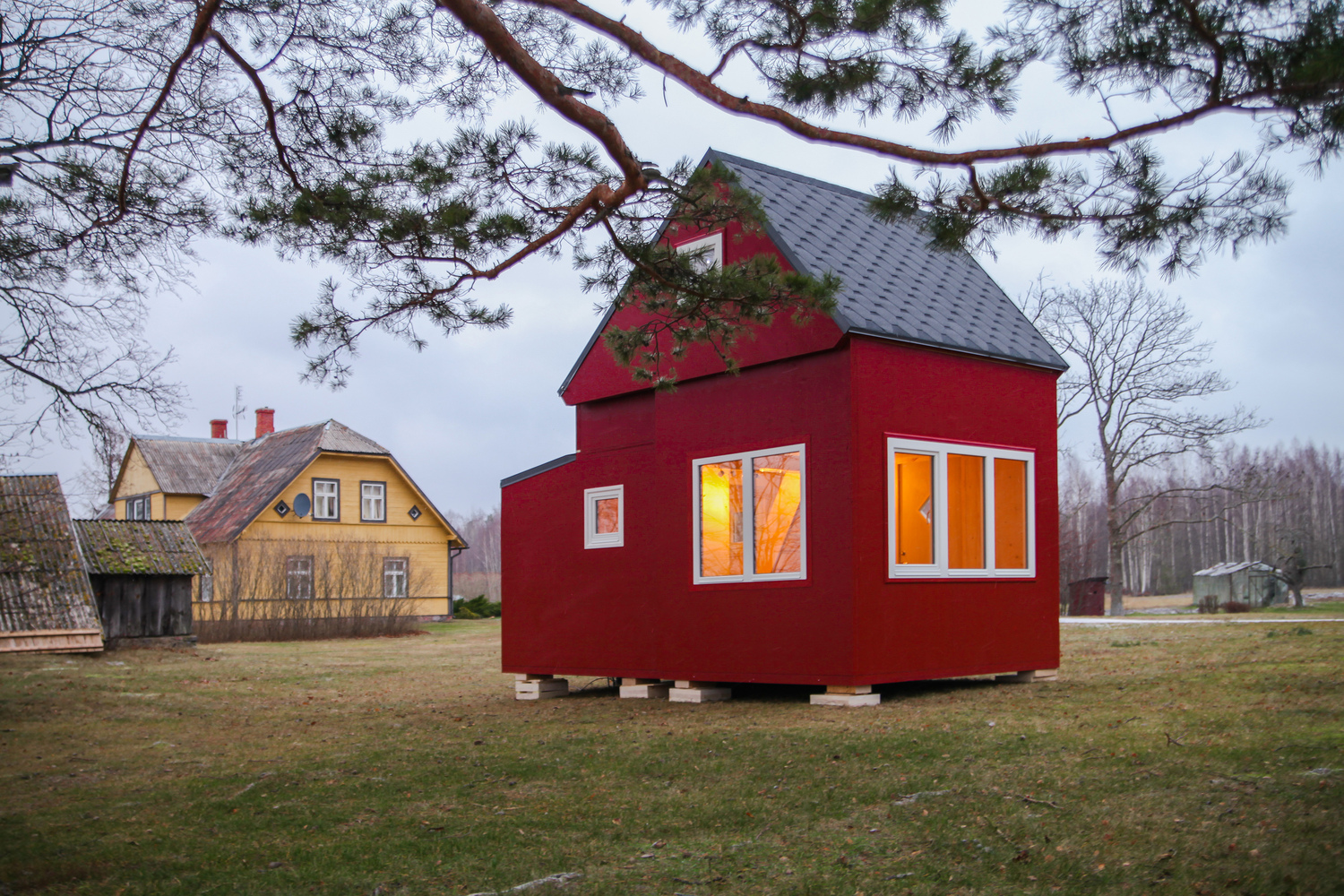
{"body":{"fr":"<p><strong>1. Contexte : </strong></p><p>L’habitation pour les jeunes spécialistes (juste sorti des études, avec premier travail de salaire modère ou jeunes entrepreneurs qui investit les premier dans la création de start-up) existe pas. Ou il est trop cher. Les jeunes reste souvent loge chez les parents jusqu’à 30 ans ou louer les grands appartements en colocation.</p><p>2.Pouvoir habiter et travailler sur même place, selon les études n’économise pas seulement le temps mais orient des jeunes vers la protection de leur place de vivre.</p><p>3. Le terrains de propriété public ou privée, souvent reste non utilise pendent les année, avant il sont servi par le transports public, les aménagements et permis de construire.</p><p>--------------------</p><p><strong>2. Proposition </strong>:</p><p>Villages de Ti haus temporaire (maisonnettes en bois, pliable) pour crier les espaces d’habitation, travail, loisir. Temporaire : parcs qu’il y a beaucoup les terrains non utiliser pendent les longs termes avant être développe.</p><p>Quoi : Installez les villages de Ti hauses (écologique, prix modérée) inclut les : espace d’habitation individuel, espace de coworking, espace de sport/loisir, halls de production/laboratoire etc. Green : Le village devient closed cercle : il produit les ides, il produit le Energy pour eux-mêmes, il partage les jardine commun.</p><p>Où : les parcelles communales ou prive de 2000 m2, qui attends les projets de développement pour les prochaines 7-10 ans. Les parcelles peuvent être louer sur le droit de superficie. Car les Ti haus sont pliable, ils peuvent être déménager et réinstallez dans une journée.</p><p> Pour qui : les jeunes de 18-29 ans, avec les revenus modérés qui veulent vivre dans la maisonnette, travailler dans la même place, commencer ces start-ups.</p><p> Trouver ici quelles images de notre Tiny haus en bois et pliable, aussi que différent planning d’espace pour plusieurs utilisations, aussi que le processus de les plier:</p><p><br></p>","machine_translations":{"bs":"<p><strong>1. Pozadina: </strong></p><p>Stambeno rješenje za mlade profesionalce (nedavno diplomirane osobe na prvom poslu s umjerenom platom ili mladi poduzetnici koji ulažu početna sredstva za pokretanje startupa) ne postoji. Ili je preskupo. Mladi ljudi često nastavljaju živjeti s roditeljima do 30. godine ili iznajmljuju velike stanove u zajedničkom najmu.</p><p>2. Prema istraživanjima, mogućnost da se živi i radi na istom mjestu ne samo da štedi vrijeme, već i podstiče mlade da čuvaju svoje životno okruženje.</p><p>3. Javno ili privatno vlasništvo zemljišta često godinama ostaje neiskorišteno prije nego što se iskoristi za javni prijevoz, razvojne projekte i dobivanje građevinske dozvole.</p><p>--------------------</p><p><strong>2. Prijedlog</strong>:</p><p>Privremena sela 'Ti Haus' (sklopive drvene kolibe) za isticanje prostora za život, rad i razonodu. Privremeno: postoji mnogo parkova gdje zemljište dugo stoji neiskorišteno prije nego što se razvije.</p><p>Šta: Osnivanje 'Ti hauses' sela (eko-prijateljska, pristupačna), koja uključuju: individualne stambene prostore, prostore za zajednički rad (co-working), sportske/rekreacione površine, proizvodne hale/laboratorije, itd. Zeleno: Selo postaje samoodrživa zajednica: stvara vlastite ideje, proizvodi vlastitu energiju i dijeli zajedničke vrtove.</p><p>Gdje: općinska ili privatna zemljišta od 2.000 m², koja su predviđena za razvojne projekte u narednih 7–10 godina. Zemljišta se mogu iznajmiti na osnovu prava površinskog vlasništva. Budući da su Ti hausovi sklopivi, mogu se premjestiti i ponovo postaviti u jednom danu.</p><p> Za koga je namijenjena? Mladima od 18 do 29 godina s umjerenim prihodima koji žele živjeti u 'maisonnetteu', raditi u istom prostoru i pokrenuti vlastite start-up kompanije.</p><p> Ovdje pronađite slike naše drvene, sklopive Male kućice, kao i različite tlocrte za različite namjene i upute o tome kako ih složiti:</p><p><br></p>","de":"<p><strong>1. Hintergrund: </strong></p><p>Wohnraum für junge Fachkräfte (die gerade ihr Studium abgeschlossen haben, eine erste Stelle mit mäßigem Gehalt antreten oder junge Unternehmer, die ihre ersten Investitionen in die Gründung eines Start-ups tätigen) gibt es nicht. Oder er ist zu teuer. Junge Menschen wohnen oft bis zum Alter von 30 Jahren bei ihren Eltern oder mieten große Wohnungen in Wohngemeinschaften.</p><p>2. Studien zufolge spart das Wohnen und Arbeiten am selben Ort nicht nur Zeit, sondern motiviert junge Menschen auch dazu, sich für den Erhalt ihres Lebensraums einzusetzen.</p><p>3. Grundstücke in öffentlichem oder privatem Besitz bleiben oft jahrelang ungenutzt, bevor sie für den öffentlichen Nahverkehr, die Stadtentwicklung und Baugenehmigungen genutzt werden.</p><p>--------------------</p><p><strong>2. Vorschlag</strong>:</p><p>„Villages de Ti“ – temporäre Unterkünfte (kleine Holzhäuschen, zusammenklappbar), um Wohn-, Arbeits- und Freizeitbereiche zu definieren. Temporär: Parks, in denen es viele Flächen gibt, die langfristig ungenutzt bleiben, bevor sie bebaut werden.</p><p>Was: Einrichtung von „Ti-Haus“-Siedlungen (ökologisch, preisgünstig), einschließlich: individueller Wohnbereiche, Coworking-Bereiche, Sport-/Freizeitbereiche, Produktionshallen/Labore usw. Grün: Das Dorf wird zu einem geschlossenen Kreislauf: Es entwickelt Ideen, erzeugt Energie für den Eigenbedarf und nutzt gemeinsame Gärten.</p><p>Wo: kommunale oder private Grundstücke mit einer Fläche von 2.000 m², auf denen in den nächsten 7 bis 10 Jahren Entwicklungsprojekte geplant sind. Die Grundstücke können im Rahmen eines Baurechts gepachtet werden. Da die „Ti-Häuser“ zusammenklappbar sind, können sie innerhalb eines Tages abgebaut und an einem anderen Ort wieder aufgebaut werden.</p><p> Für wen: junge Menschen im Alter von 18 bis 29 Jahren mit bescheidenem Einkommen, die im „Maisonnette“ wohnen, am selben Ort arbeiten und Start-ups gründen möchten.</p><p> Hier finden Sie Bilder unseres kleinen, faltbaren Holzhauses sowie verschiedene Raumaufteilungen für unterschiedliche Nutzungszwecke und eine Anleitung zum Zusammenklappen:</p><p><br></p>","en":"<p><strong>1. Context: </strong></p><p>Housing for young professionals (recent graduates with their first job offering modest pay, or young entrepreneurs making their initial investments in starting a business) does not exist. Or it is too expensive. Young people often continue to live with their parents until age 30 or rent large apartments as part of a shared living arrangement.</p><p>2. According to studies, being able to live and work in the same place not only saves time but also encourages young people to protect their living spaces.</p><p>3. Publicly or privately owned land often remains unused for years before it is put to use for public transportation, development, and building permits.</p><p>--------------------</p><p><strong>2. Proposal</strong>:</p><p>Temporary “Ti Haus” villages (foldable wooden cabins) to create spaces for living, working, and leisure. Temporary: parks where there is a lot of land that remains unused for long periods before being developed.</p><p>What: Establish “Ti Hauses” villages (eco-friendly, affordable), including: individual living spaces, coworking spaces, sports/recreation areas, production halls/laboratories, etc. Green: The village becomes a self-sustaining community: it generates its own ideas, produces its own energy, and shares communal gardens.</p><p>Where: municipal or private lots measuring 2,000 m², which are earmarked for development projects over the next 7–10 years. The lots can be leased under a building lease. Since the Ti Haus structures are foldable, they can be moved and reassembled in a single day.</p><p> Who it’s for: Young people aged 18–29 with moderate incomes who want to live in the “maisonnette,” work in the same space, and launch their startups.</p><p> Find images of our wooden, foldable Tiny House here, along with various floor plans for different uses and instructions on how to fold them:</p><p><br></p>","es":"<p><strong>1. Contexto: </strong></p><p>No existe vivienda para los jóvenes profesionales (recién licenciados, con su primer empleo con un salario moderado, o jóvenes emprendedores que invierten sus primeros ahorros en la creación de una start-up). O bien es demasiado cara. Los jóvenes suelen seguir viviendo con sus padres hasta los 30 años o alquilar pisos grandes para compartir.</p><p>2. Según los estudios, poder vivir y trabajar en el mismo lugar no solo ahorra tiempo, sino que también anima a los jóvenes a velar por su lugar de vida.</p><p>3. Los terrenos de propiedad pública o privada suelen permanecer sin utilizar durante años, antes de que se les destine a transporte público, obras de urbanización y licencias de obra.</p><p>--------------------</p><p><strong>2. Propuesta</strong>:</p><p>Pueblos de Ti Haus temporales (casitas de madera plegables) para delimitar los espacios de vivienda, trabajo y ocio. Temporales: parques en los que hay muchos terrenos sin utilizar durante largos periodos antes de su desarrollo.</p><p>Qué: Instalar las «aldeas» de Ti hauses (ecológicas y a un precio moderado), que incluyen: espacio de vivienda individual, espacio de coworking, espacio de deporte y ocio, naves de producción y laboratorios, etc. Sostenibilidad: La comunidad se convierte en un círculo cerrado: genera sus propias ideas, produce la energía que necesita y comparte huertos comunitarios.</p><p>Dónde: las parcelas municipales o privadas de 2000 m², que están a la espera de proyectos de desarrollo para los próximos 7-10 años. Las parcelas pueden alquilarse mediante un derecho de superficie. Como las «Ti haus» son plegables, pueden desmontarse y volver a instalarse en un solo día.</p><p> A quién va dirigido: jóvenes de entre 18 y 29 años, con ingresos moderados, que quieran vivir en la casita, trabajar en el mismo lugar y poner en marcha sus start-ups.</p><p> Aquí encontrarás imágenes de nuestra «Tiny House» de madera y plegable, así como diferentes distribuciones del espacio para diversos usos y el proceso para plegarla:</p><p><br></p>","hr":"<p><strong>1. Uvod: </strong></p><p>Stambeno zbrinjavanje za mlade stručnjake (one koji su upravo završili studij i zaposlili se na prvom poslu s skromnom plaćom, ili mlade poduzetnike koji ulažu početna sredstva za pokretanje start-upa) ne postoji. Ili je preskupo. Mladi ljudi često nastavljaju živjeti s roditeljima do 30. godine ili unajmljuju velike stanove kao dio zajedničkog najma.</p><p>2. Prema istraživanjima, mogućnost života i rada na istom mjestu ne samo da štedi vrijeme, već i potiče mlade ljude da čuvaju svoje životno okruženje.</p><p>3. Javno ili privatno zemljište često godinama ostaje neiskorišteno prije nego što se iskoristi za javni prijevoz, razvojne projekte i dobivanje građevinske dozvole.</p><p>--------------------</p><p><strong>2. Prijedlog</strong>:</p><p>Privremena sela 'Ti Haus' (sklopive drvene kolibe) za isticanje prostora za život, rad i razonodu. Privremeno: postoji mnogo parkova gdje zemljište dugo stoji neiskorišteno prije nego što se razvije.</p><p>Što: Osnivanje 'Ti Hauses' sela (eko-prijateljska, pristupačna), koja uključuju: individualne stambene prostore, prostore za zajednički rad (co-working), sportske i rekreacijske sadržaje, proizvodne dvorane/laboratorije itd. Zeleno: Selo postaje samodostatna zajednica: stvara vlastite ideje, proizvodi vlastitu energiju i dijeli zajedničke vrtove.</p><p>Gdje: općinska ili privatna zemljišta od 2000 m², predviđena za razvojne projekte u sljedećih 7–10 godina. Zemljišta se mogu unajmiti na temelju prava površine. Budući da su strukture Ti Haus sklopive, mogu se rastaviti i ponovno sastaviti u jednom danu.</p><p> Namijenjeno je mladima od 18 do 29 godina s umjerenim prihodima koji žele živjeti u 'maisonnetteu', raditi u istom prostoru i pokrenuti vlastite start-up tvrtke.</p><p> Ovdje pronađite slike naše drvene, sklopive Male kućice, kao i različite tlocrte za različite namjene i upute za njihovo sklapanje:</p><p><br></p>","it":"<p><strong>1. Contesto: </strong></p><p>Non esistono alloggi per i giovani professionisti (appena usciti dall’università, con un primo lavoro dalla retribuzione modesta, o giovani imprenditori che investono i primi risparmi nella creazione di una start-up). Oppure sono troppo costosi. I giovani spesso continuano a vivere con i genitori fino ai 30 anni o affittano grandi appartamenti in condivisione.</p><p>2. Secondo alcuni studi, poter vivere e lavorare nello stesso luogo non solo fa risparmiare tempo, ma spinge i giovani a tutelare il proprio spazio di vita.</p><p>3. I terreni di proprietà pubblica o privata rimangono spesso inutilizzati per anni, prima di essere destinati ai trasporti pubblici, alle opere di sistemazione e alle licenze edilizie.</p><p>--------------------</p><p><strong>2. Proposta</strong>:</p><p>Villaggi di Ti haus temporanei (casette in legno, pieghevoli) per definire gli spazi abitativi, lavorativi e ricreativi. Temporanei: parchi che occupano molti terreni inutilizzati a lungo termine prima di essere sviluppati.</p><p>Cosa: Realizzare i villaggi di Ti hauses (ecologici, a prezzi moderati) che includono: spazi abitativi individuali, spazi di coworking, spazi sportivi/ricreativi, sale di produzione/laboratori ecc. Sostenibilità: Il villaggio diventa un circolo chiuso: genera idee, produce l’energia di cui ha bisogno e condivide gli orti comuni.</p><p>Dove: i terreni comunali o privati di 2000 m², che attendono progetti di sviluppo per i prossimi 7-10 anni. I terreni possono essere affittati con diritto di superficie. Poiché le Ti haus sono smontabili, possono essere spostate e reinstallate in un giorno.</p><p> A chi è rivolta: ai giovani dai 18 ai 29 anni, con reddito moderato, che desiderano vivere nella «maisonnette», lavorare nello stesso luogo e avviare le proprie start-up.</p><p> Qui potete trovare le immagini della nostra Tiny House in legno pieghevole, oltre a diverse soluzioni di disposizione degli spazi per vari utilizzi e alle istruzioni su come piegarla:</p><p><br></p>","pt":"<p><strong>1. Contexto: </strong></p><p>Não existe habitação para jovens profissionais (recém-licenciados, com o primeiro emprego com um salário modesto, ou jovens empreendedores que investem os seus primeiros recursos na criação de uma start-up). Ou é demasiado cara. Os jovens acabam muitas vezes por continuar a viver com os pais até aos 30 anos ou por alugar apartamentos grandes em regime de partilha.</p><p>2. Poder viver e trabalhar no mesmo local, segundo os estudos, não só poupa tempo como também incentiva os jovens a protegerem o seu espaço de vida.</p><p>3. Os terrenos de propriedade pública ou privada permanecem frequentemente sem utilização durante anos, antes de serem aproveitados para transportes públicos, obras de urbanização e licenças de construção.</p><p>--------------------</p><p><strong>2. Proposta</strong>:</p><p>Aldeias de «Ti haus» temporárias (casinhas de madeira, desmontáveis) para definir os espaços de habitação, trabalho e lazer. Temporárias: parques onde existem muitos terrenos não utilizados a longo prazo antes de serem desenvolvidos.</p><p>O quê: Instalar as aldeias de Ti hauses (ecológicas, a preços moderados), que incluem: espaço habitacional individual, espaço de coworking, espaço desportivo/de lazer, salas de produção/laboratórios, etc. Ecológico: A aldeia torna-se um círculo fechado: gera as suas próprias ideias, produz a energia de que necessita e partilha as hortas comuns.</p><p>Onde: os terrenos municipais ou privados com 2 000 m², que aguardam projetos de desenvolvimento para os próximos 7 a 10 anos. Os terrenos podem ser arrendados com base no direito de superfície. Como as «Ti haus» são dobráveis, podem ser desmontadas e reinstaladas num dia.</p><p> A quem se destina: jovens entre os 18 e os 29 anos, com rendimentos moderados, que queiram viver na casinha, trabalhar no mesmo local e lançar as suas start-ups.</p><p> Veja aqui imagens da nossa «Tiny House» de madeira e dobrável, bem como diferentes planos de espaço para várias utilizações e o processo de dobragem:</p><p><br></p>","ru":"<p><strong>1. Контекст: </strong></p><p>Жилья для молодых специалистов (только что закончивших учебу, с первой работой и умеренной зарплатой, или молодых предпринимателей, вкладывающих первые средства в создание стартапа) просто не существует. Или оно слишком дорогое. Молодые люди часто продолжают жить с родителями до 30 лет или снимают большие квартиры в совместном проживании.</p><p>2. Возможность жить и работать в одном месте, согласно исследованиям, не только экономит время, но и побуждает молодых людей заботиться о сохранении своего места жительства.</p><p>3. Земельные участки, находящиеся в государственной или частной собственности, зачастую остаются неиспользованными в течение многих лет, прежде чем на них начинают прокладываться линии общественного транспорта, осуществляться благоустройство и выдаваться разрешения на строительство.</p><p>--------------------</p><p><strong>2. Предложение</strong>:</p><p>Временные деревни «Ti haus» (складные деревянные домики) для обозначения зон проживания, работы и досуга. Временный характер: парки, где имеется много земельных участков, не используемых в течение длительного времени до начала застройки.</p><p>Что: Создание «деревень» Ти-Хауз (экологичных, с умеренной стоимостью проживания), включающих: индивидуальное жилое пространство, коворкинг, зону для спорта и досуга, производственные цеха/лаборатории и т. д. Экологичность: Поселок становится замкнутым циклом: он генерирует идеи, производит энергию для собственных нужд и совместно использует общие сады.</p><p>Где: муниципальные или частные участки площадью 2000 м², на которых в ближайшие 7–10 лет планируется реализация проектов застройки. Участки можно арендовать на праве надстройки. Поскольку дома Ti haus являются складными, их можно демонтировать и вновь установить за один день.</p><p> Для кого: молодые люди в возрасте 18–29 лет со средним доходом, которые хотят жить в домике, работать в одном месте и запускать свои стартапы.</p><p> Здесь вы найдёте фотографии нашего деревянного складного домика «Tiny Haus», а также различные схемы планировки пространства для разных целей и инструкции по его складыванию:</p><p><br></p>","sq":"<p><strong>1. Konteksti: </strong></p><p>Strehimi për profesionistët e rinj (të sapodiplomuar në punën e tyre të parë me një pagë modeste, ose sipërmarrës të rinj që bëjnë investimet e tyre të para për të themeluar start-up-e) nuk ekziston. Ose është shumë i shtrenjtë. Të rinjtë shpesh vazhdojnë të jetojnë me prindërit e tyre deri në moshën 30 vjeç ose marrin me qira apartamente të mëdha si pjesë e një qiraje të përbashkët.</p><p>2. Sipas studimeve, mundësia për të jetuar dhe punuar në të njëjtin vend jo vetëm që kursen kohë, por gjithashtu inkurajon të rinjtë të ruajnë mjedisin ku jetojnë.</p><p>3. Toka publike ose në pronësi private shpesh mbetet e papërdorur për vite me radhë para se të përdoret për transportin publik, projektet e zhvillimit dhe lejet e ndërtimit.</p><p>--------------------</p><p><strong>2. Propozim</strong>:</p><p>Fshatrat e përkohshme 'Ti Haus' (kabina druri të palosshme) për të theksuar hapësirat për banim, punë dhe kohë të lirë. Përkohshme: ka shumë parqe dhe parcela toke që qëndrojnë të papërdorura për periudha të gjata para se të zhvillohen.</p><p>Çfarë: Të krijohen fshatra Ti Hauses (miqësore me mjedisin, të përballueshme), duke përfshirë: hapësira banimi individuale, hapësira për punë të përbashkët, ambiente sportive/rekreacioni, salla prodhimi/laboratorë, etj. E gjelbër: Fshati bëhet një komunitet i vetë-mjaftueshëm: gjeneron idetë e veta, prodhon energjinë e vet dhe ndan kopshte komunale.</p><p>Ku: parcela komunale ose private prej 2,000 m², të paracaktuara për projekte zhvillimi gjatë 7–10 viteve të ardhshme. Parcelat mund të merren me qira nëpërmjet një kontrate qiraje ndërtimi. Duke qenë se strukturat Ti Haus janë të palosshme, ato mund të çmontohen dhe të rimontohen brenda një dite.</p><p> Për kë është: të rinj 18–29 vjeç me të ardhura të moderuara që duan të jetojnë në 'maisonnette', të punojnë në të njëjtin hapësirë dhe të nisin bizneset e tyre të reja.</p><p> Gjeni këtu imazhe të Shtëpisë sonë të Vogël prej druri, të palosshme, si dhe plane të ndryshme për përdorime të ndryshme, dhe udhëzime se si t'i palosni:</p><p><br></p>","sr":"<p><strong>1. Контекст: </strong></p><p>Становање за младе професионалце (недавно дипломиране који су на свом првом послу са скромном платом, или млади предузетници који улажу прва средства у покретање стартапа) не постоји. Или је прескупо. Млади често живе са родитељима до 30. године или изнајмљују велике станове у оквиру заједничког становања.</p><p>2. Према студијама, могућност да се живи и ради на истом месту не само да штеди време, већ и подстиче младе људе да заштите своје животно окружење.</p><p>3. Јавно или приватно земљиште често годинама стоји неискоришћено пре него што се искористи за јавни превоз, развојне пројекте и добијање грађевинске дозволе.</p><p>--------------------</p><p><strong>2. Предлог</strong>:</p><p>Привремена села \"Ti Haus\" (склопиве дрвене колибе) за дефинисање простора за живот, рад и рекреацију. Привремено: постоји много паркова где земљиште дуго стоји неискоришћено пре него што се развије.</p><p>Шта: Успоставити села \"Ti hauses\" (еколошка, приступачна), која укључују: појединачне стамбене просторе, коворкинг просторе, спортске/рекреативне зоне, производне хале/лабораторије итд. Зелено: Село постаје самодовољна заједница: генерише сопствене идеје, производи сопствену енергију и дели заједничке вртове.</p><p>Где: општинске или приватне парцеле од 2.000 м², предвиђене за пројекте развоја у наредних 7–10 година. Парцеле се могу изнајмити по уговору о закупу за изградњу. Пошто су \"Ti haus\" пресавијајући, могу се преместити и поново саставити за један дан.</p><p> За кога је намењено: млади људи старости од 18 до 29 година са умереним примањима који желе да живе у \"мајсонeти\", раде у истом простору и покрену своје стартапове.</p><p> Овде пронађите слике наше дрвене, пресавијајуће мини-куће, као и различите планове распореда за различите намене и процес њиховог пресавијања:</p><p><br></p>","uk":"<p><strong>1. Контекст: </strong></p><p>Житла для молодих фахівців (які щойно закінчили навчання, мають першу роботу з помірною зарплатою або є молодими підприємцями, які вкладають перші кошти у створення стартапу) не існує. Або воно занадто дороге. Молодь часто залишається жити у батьків до 30 років або орендує великі квартири у спільне проживання.</p><p>2. Згідно з дослідженнями, можливість жити й працювати в одному місці не тільки економить час, а й спонукає молодь дбати про збереження свого місця проживання.</p><p>3. Ділянки, що перебувають у державній або приватній власності, часто роками залишаються невикористаними, перш ніж їх починають використовувати для громадського транспорту, благоустрою та будівництва.</p><p>--------------------</p><p><strong>2. Пропозиція</strong>:</p><p>Селища «Ti haus» тимчасового призначення (дерев’яні будиночки, що складаються) для позначення просторів проживання, роботи та дозвілля. Тимчасові: парки, де є багато земельних ділянок, що тривалий час залишаються невикористаними до початку забудови.</p><p>Що: Створити селища «Ti hauses» (екологічні, за помірною ціною), що включають: індивідуальні житлові приміщення, коворкінг-простір, спортивний/дозвіллєвий простір, виробничі цехи/лабораторії тощо. Екологічність: Селище стає замкнутим колом: воно генерує ідеї, виробляє енергію для власних потреб, спільно використовує сади.</p><p>Де: комунальні або приватні ділянки площею 2000 м², на яких планується реалізація проектів розвитку протягом найближчих 7–10 років. Ділянки можна орендувати на правах поверхневого користування. Оскільки будинки «Ti haus» є складаними, їх можна демонтувати та знову встановити за один день.</p><p> Для кого: молодь віком 18–29 років із помірним рівнем доходу, яка хоче жити в «будиночку», працювати в тому ж місці та запускати стартапи.</p><p> Тут ви знайдете фотографії нашого дерев’яного складаного «Tiny Haus», а також різні варіанти планування простору для різних цілей та інструкції щодо складання:</p><p><br></p>"}},"title":{"fr":"Villages de ti hauses","machine_translations":{"bs":"Villages de ti hauses","de":"Dörfer von Ti Hauses","en":"Villages de ti hauses","es":"Pueblos de Ti Hauses","hr":"Villages de ti hauses","it":"Villaggi di Ti Hauses","pt":"Aldeias de Ti Hauses","ru":"Деревни Ти-Хаузес","sq":"Fshatrat e Ti Hauses","sr":"Села ти хаусес","uk":"Села Ті-Хаузес"}}}
This fingerprint is calculated using a SHA256 hashing algorithm. In order to replicate it yourself, you can use an MD5 calculator online and copy-paste the source data.





Share